POPULER IN CATEGORY
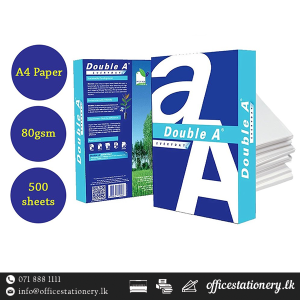
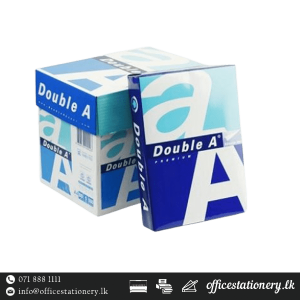
Double A A4 Paper Wholesale 80gsm
Rs1,600.00
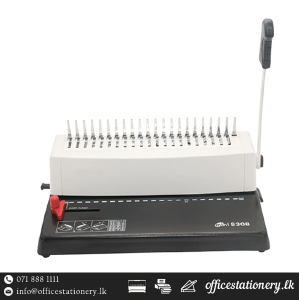
S308 Comb Binding Machine
Rs13,000.00
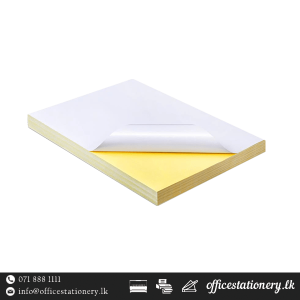
A4 Gloss Sticker Paper
Rs1,200.00
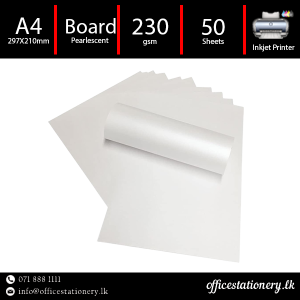
A4 Pearlescent Paper Inkjet – 50 Sheet
Rs2,400.00

In today’s digital age, where everything seems to be going paperless, there’s still a notable demand for Continuous Paper Price in Sri Lanka. Whether it’s for printing receipts, invoices, or other business documents, continuous paper remains an essential commodity for many businesses. But what factors influence the price of continuous paper in Sri Lanka? Let’s delve into this topic and explore everything you need to know.
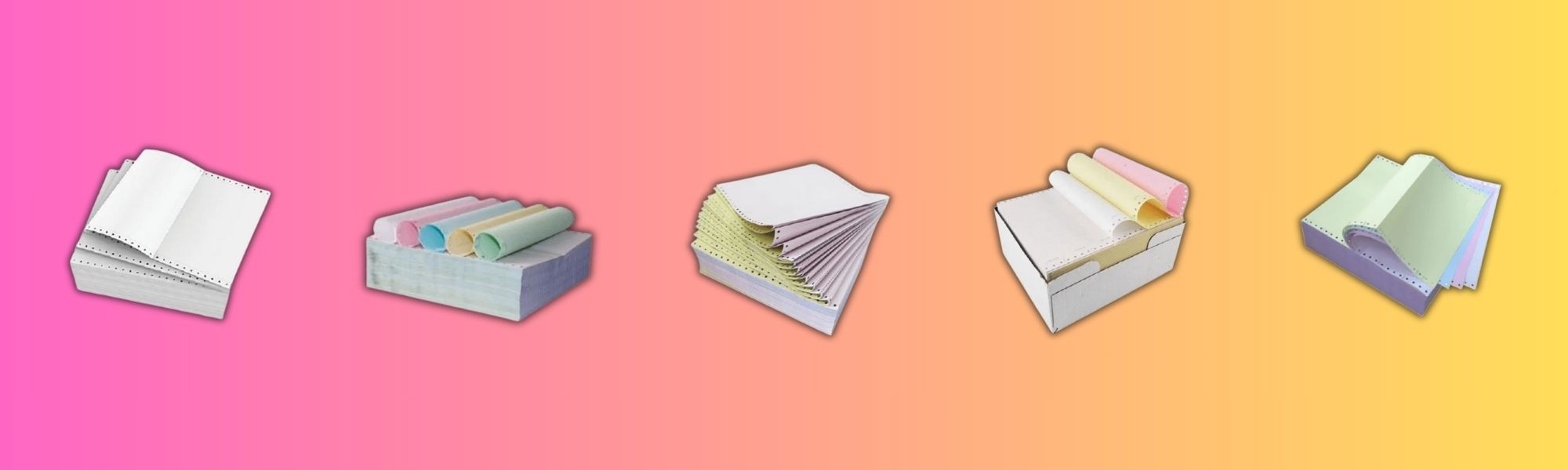
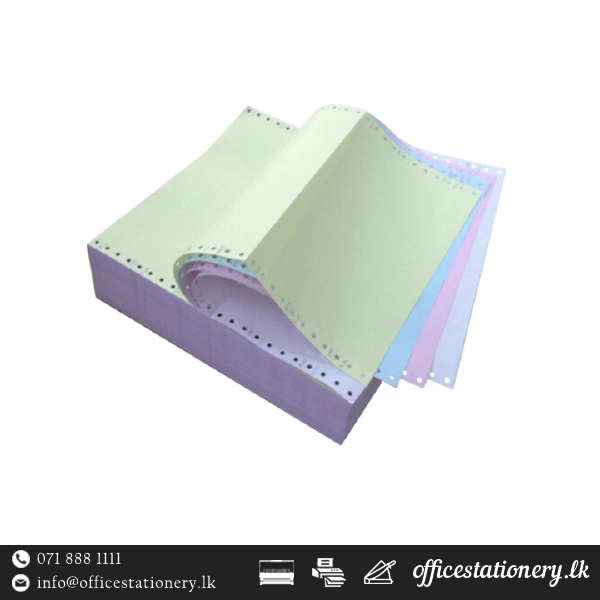
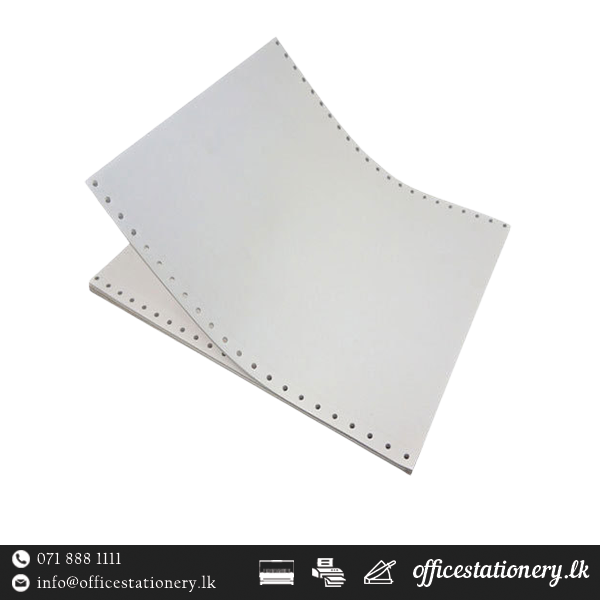
Continuous paper, also known as continuous stationery or fanfold paper, is a type of paper used in dot matrix printers and other impact printers. It comes in a continuous form with perforations between each sheet, allowing for easy tearing. This type of paper is commonly used in industries where bulk printing is required, such as banking, retail, and logistics.
The price of continuous paper in Sri Lanka is influenced by various factors. These include the cost of raw materials, production expenses, transportation costs, and market demand. Fluctuations in currency exchange rates and global market trends also play a significant role in determining the price of continuous paper.
The demand for continuous paper in Sri Lanka is closely linked to the performance of key industries such as retail, manufacturing, and logistics. Market trends, such as the shift towards digitalization and e-commerce, can impact the demand for continuous paper. Additionally, seasonal fluctuations and promotional activities may influence market demand and subsequently, the price of continuous paper.
Economic conditions, including inflation rates and GDP growth, can impact the cost of production and distribution of continuous paper. High inflation rates may lead to increased production costs, which could be passed on to consumers in the form of higher prices. Conversely, stable economic conditions may result in more competitive pricing for continuous paper products.
Environmental considerations, such as sustainable sourcing and eco-friendly production processes, are becoming increasingly important in the paper industry. Consumers are more inclined to support brands that prioritize environmental sustainability. Therefore, manufacturers may incur additional costs for implementing green initiatives, which could influence the price of continuous paper.
The quality and specifications of continuous paper can vary significantly depending on the manufacturer and intended use. Higher-quality paper with advanced features such as anti-jamming technology or multi-part forms may command a premium price. Conversely, lower-quality paper may be more affordable but could compromise on performance and durability.
The availability of suppliers and distribution channels can impact the competitiveness of continuous paper prices in Sri Lanka. Limited competition among suppliers or distribution monopolies may result in higher prices for consumers. Conversely, a diverse range of suppliers and efficient distribution networks could lead to lower prices and better value for consumers.
Pricing strategies employed by manufacturers and distributors also influence the price of continuous paper. Strategies such as cost-based pricing, competitive pricing, and value-based pricing are commonly used in the paper industry. Discounts, promotions, and bulk purchase incentives may also affect pricing dynamics and consumer behavior.
Government regulations and policies related to trade, taxation, and environmental standards can impact the production and pricing of continuous paper. Import tariffs, excise duties, and environmental levies may add to the cost of production, which could be passed on to consumers. Compliance with regulatory requirements may also necessitate additional investments in infrastructure and technology.
The future of continuous paper in Sri Lanka will likely be shaped by technological advancements, changing consumer preferences, and global market trends. As digital alternatives continue to evolve, the demand for traditional paper products may decline. However, there will always be a niche market for continuous paper, particularly in industries that rely on printed documentation.
Certainly! Here’s the list of computer forms from officestationery.lk presented in a table format:
| Product | Size | Ply | Price |
|---|---|---|---|
| 15×11 1ply Computer Form | 15×11 | 1 | Rs8,000.00 |
| 9.5×11 CHP 1Ply Computer Form | 9.5×11 | 1 | Rs2,900.00 |
| 9.5×11 CHP 2Ply Computer Form | 9.5×11 | 2 | Rs7,500.00 |
| 9.5×11 CHP 3Ply Computer Form | 9.5×11 | 3 | Rs6,000.00 |
| 9.5×11 CHP 4Ply Computer Form | 9.5×11 | 4 | Rs8,000.00 |
| 9.5×11 CHP 5Ply Computer Form | 9.5×11 | 5 | Rs12,000.00 |
| 9.5×11 1ply Computer Form | 9.5×11 | 1 | Rs2,900.00 |
| 9.5×11 2ply Computer Form | 9.5×11 | 2 | Rs7,500.00 |
| 9.5×11 3ply Computer Form | 9.5×11 | 3 | Rs6,000.00 |
| 9.5×11 4ply Computer Form | 9.5×11 | 4 | Rs8,000.00 |
| 9.5×11 5ply Computer Form | 9.5×11 | 5 | Rs12,500.00 |
In conclusion, the price of continuous paper in Sri Lanka is influenced by a multitude of factors, including market trends, economic conditions, environmental considerations, and government regulations. Understanding these factors is essential for businesses and consumers alike to make informed decisions regarding the purchase of continuous paper products.
Continuous paper is commonly used for printing invoices, receipts, shipping labels, and other business documents in industries such as retail, logistics, and manufacturing.
Continuous paper comes in various sizes, including standard sizes like 9.5×11 inches and 15×11 inches, as well as custom sizes to suit specific printing requirements.
The ply of continuous paper refers to the number of layers it consists of. For standard printing needs, a 1-ply or 2-ply paper may suffice, while forms requiring duplicate or triplicate copies may require higher ply options.
Continuous paper is compatible with dot matrix printers and impact printers designed for continuous forms. It’s essential to check your printer’s specifications to ensure compatibility before purchasing.
Yes, continuous paper can be used to create multi-part forms by using carbonless paper or carbon paper between layers to transfer handwriting or printing onto subsequent copies.
Continuous paper should be stored in a cool, dry place away from direct sunlight and moisture to prevent curling or yellowing. It’s also advisable to keep it in its original packaging or protective wrapping until ready for use.
If you experience printing issues such as paper jams or poor print quality, check the printer settings and ensure that the continuous paper is loaded correctly. It may also help to clean the printer rollers and perform regular maintenance.
While specific regulations may vary by region, continuous paper manufacturers typically adhere to industry standards for paper quality, size accuracy, and environmental sustainability. It’s advisable to choose products from reputable suppliers who comply with relevant standards.
To place an order on officestationery.lk, simply browse our website, select the desired products, and proceed to checkout. You can choose your preferred payment method and provide shipping details to complete the order process.
Absolutely! We welcome customizations and bulk orders to meet the unique needs of our customers. Please reach out to our customer service team to discuss your requirements, and we will do our best to accommodate your request.
For any inquiries, assistance, or feedback, you can contact our customer service team via email, phone, or live chat available on our website. We are here to help and ensure a seamless shopping experience for our valued customers.







No account yet?
Create an Account











 Your one-stop shop for office needs